Developments in cosmetic medicine have changed the way we deal with skin and hair issues, but one of the most popular developments in the field of dermatology is PRP. Its applications range from treating skin conditions to treating hair loss; hence, the treatment of PRP in dermatology is becoming increasingly popular. What Does PRP Stand …

Developments in cosmetic medicine have changed the way we deal with skin and hair issues, but one of the most popular developments in the field of dermatology is PRP. Its applications range from treating skin conditions to treating hair loss; hence, the treatment of PRP in dermatology is becoming increasingly popular.
What Does PRP Stand For?
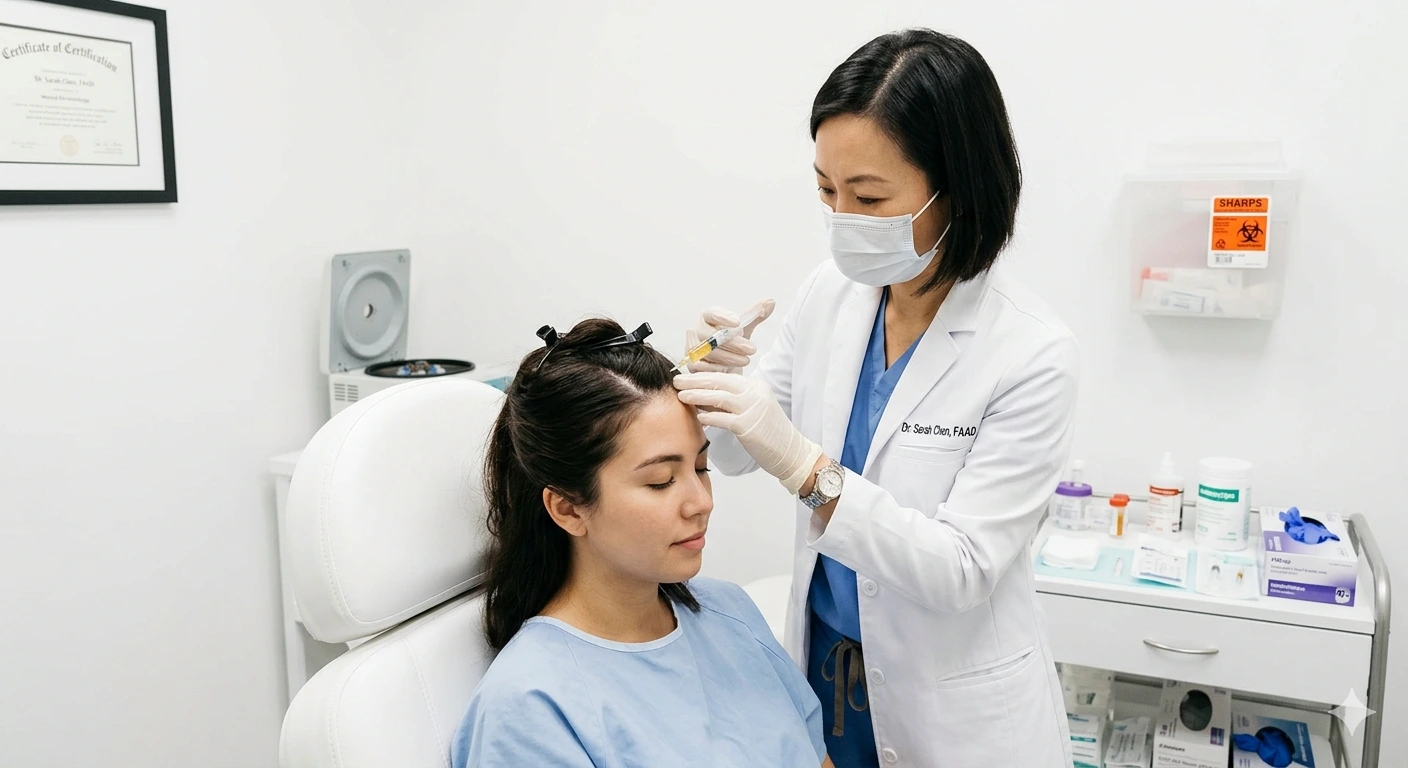
PRP’s full form in dermatology is “Platelet-Rich Plasma”. The procedure involves separating platelets from blood, which concentrates the growth factors found in the blood platelets.
PRP growth factors have important roles in:
- tissue repair
- collagen formation
- cellular regeneration
Hence, PRP dermatology treatment is a completely natural procedure that is biologically compatible with the patient, and the possibility of an allergic reaction in patients is almost zero. Studies show that the PRP procedure increases the concentration of platelets by 3 to 5 times that in regular blood.
Expanding Scope of PRP in Dermatology
In addition to basic cosmetic uses, PRP has various other applications in dermatology.
Skin Revitalisation
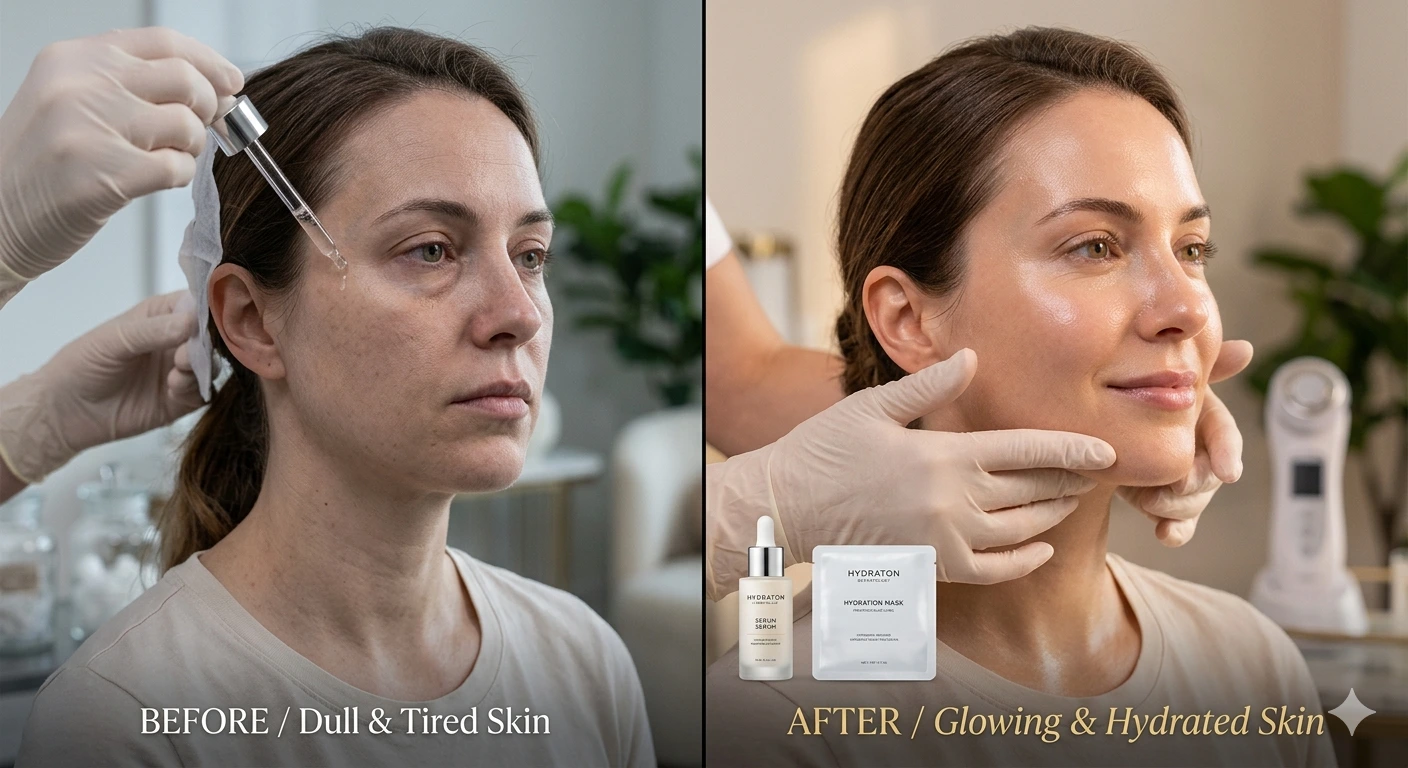
PRP improves skin condition and promotes rejuvenation by increasing collagen synthesis. PRP is widely used to treat fine wrinkles and lines, dull or aged skin, or large pores.
Acne Scar Removal
Microneedling and PRP are often used together to treat acne scars and make the skin look better. PRP therapy enhances the skin’s appearance and stimulates the body’s natural healing processes, making it a sought-after option for those looking to rejuvenate their skin without invasive procedures.
Hair Loss Therapy
The use of PRP for hair loss is one of the most common treatments offered by dermatologists today. Research suggests that PRP can lead to increased hair density and thickness after multiple procedures.
Dark Circles and Hyperpigmentation
Injections of PRP around the eye region will be helpful for the problem of hyperpigmentation and improve the condition of the skin.
The multiple uses of PRP make it an adaptable therapy in dermatology, which is widely used by most dermatologists in India.
How Does PRP Work? The Science behind PRP
The primary basis of the PRP dermatology treatment method depends on the regenerative nature of the platelets.
Procedure Steps:
- Blood extraction from the patient
- Centrifugation of the extracted blood to obtain the PRP
- Injection of PRP to the target areas by using micro-needling
After injection, PRP will activate growth factors, including the following:
- Platelet-Derived Growth Factor (PDGF)
- Transforming Growth Factor (TGF)
- Vascular Endothelial Growth Factor (VEGF)
Resulting in the regeneration and production of collagen. According to studies, positive results will become visible after three to six weeks of PRP therapy.
PRP in Plastic Surgery and Postoperative Healing
In addition to the use of PRP in dermatology treatments, it can also be used for cosmetic surgery and after surgical therapies.
Its advantages are listed below:
- accelerated wound healing
- decreased inflammation
- scar reduction
- accelerated tissue regeneration
One of the main applications of PRP is hair transplantations and other surgeries involving the face. Several cosmetic surgeons and dermatologists in India have recommended PRP as a supplementary therapy in post-invasive surgical treatments.
Disadvantages of PRP in Dermatology
Slow Progress: This therapy does not provide fast results. Several sessions need to be conducted for improvement.
Individual Differences: There may be differences in outcomes due to patient age, skin quality, and general state of health.
Cannot Replace More Complex Techniques: Severe cases of skin problems or deep scars cannot be treated with PRP alone.
High Costs: The PRP procedure may include regular fees when treating hair loss because it requires maintenance.
Nevertheless, applications of PRP in dermatology keep expanding owing to its non-invasiveness and safety benefits.
Conclusion
With various applications from skincare to restoring hair, the uses of PRP in dermatology make it one of the most promising therapies. Since more and more dermatologists have started using PRP in India, the method continues evolving and is now one of the safest and scientifically proven treatments.
To receive PRP dermatology treatment, patients need to contact experienced specialists. You can receive top-notch PRP treatment under the guidance of our experienced specialists at the Savoir Wellness Clinic.
FAQs
Are PRP treatments administered by dermatologists?
Indeed, PRP treatments are carried out by professional dermatologists and beauticians. Many dermatologists in India carry out the standard procedures for any skin and hair concerns.
What is PRP treatment in dermatology?
PRP in dermatology comprises the application of plasma with high platelet content to regenerate skin and hair. The procedure is biological and promotes collagen formation.
How long does it take PRP to work on the skin?
It takes between 6 and 12 months for you to experience the results of PRP dermatology treatment.
Is the PRP procedure safe for all skin types?
The PRP procedure is almost risk-free when considering the biological procedure, which is conducted using your blood cells. Nevertheless, it would all depend on your medical history.
How many PRP treatments are needed?
Three to four PRP treatments will be required after every four to six weeks to achieve optimum results. Sometimes, after initial procedures, certain areas may still require maintenance.
Book an Appointment
It’s easy and free!
Tags:prp treatment