There is a distinct difference between skin that appears “fine” and skin that really appears healthy, refreshed and radiant. With age, factors such as sunlight, environmental toxins, and bad habits may affect your skin without you noticing, leaving it dull, lifeless, or unhealthy. Facial rejuvenation can make all the difference in restoring a healthy appearance …

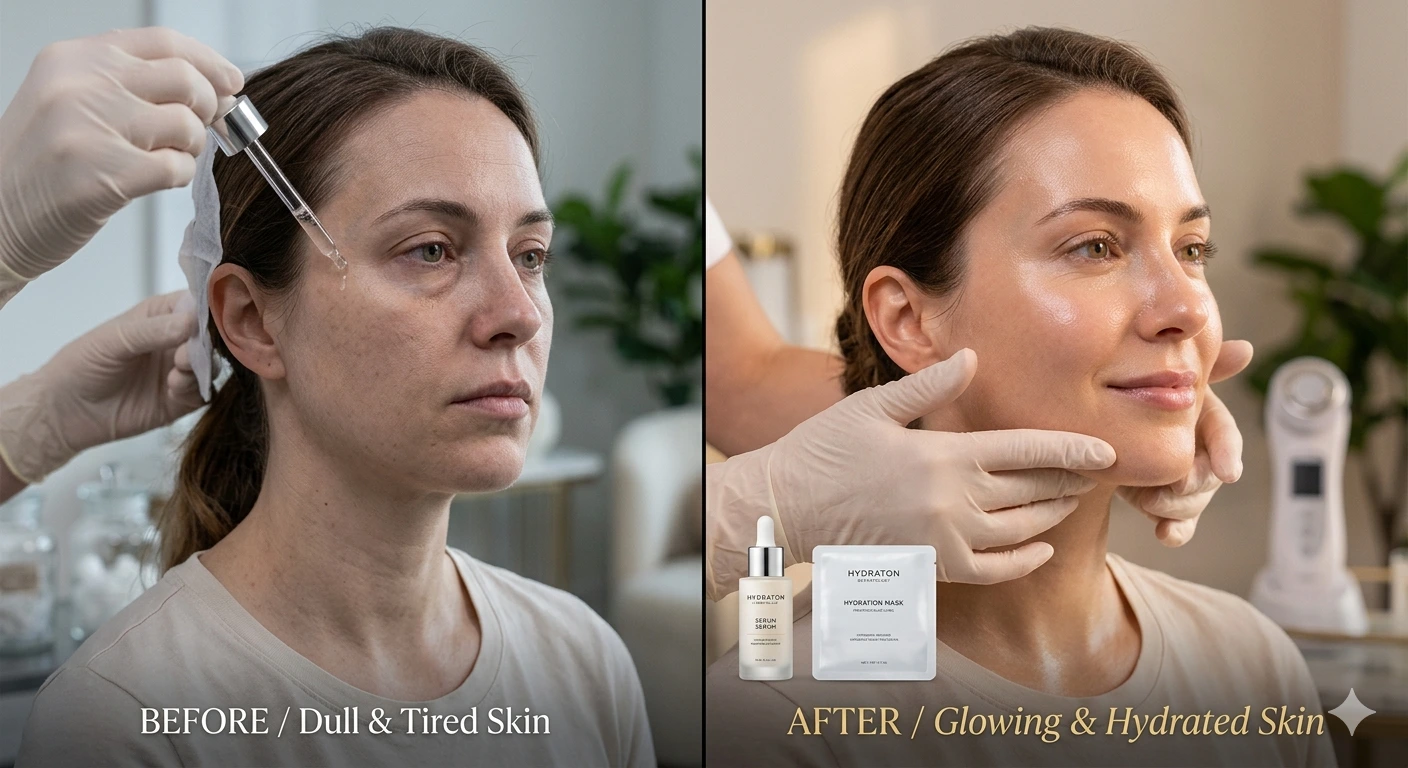
There is a distinct difference between skin that appears “fine” and skin that really appears healthy, refreshed and radiant. With age, factors such as sunlight, environmental toxins, and bad habits may affect your skin without you noticing, leaving it dull, lifeless, or unhealthy.
Facial rejuvenation can make all the difference in restoring a healthy appearance to your skin. Unlike other procedures, this doesn’t aim for a drastic transformation; instead, it seeks to improve the health of your skin from within. The outcome is always more natural and subtle than any other treatment.
What is Facial Rejuvenation?
Facial rejuvenation is a combination of skin treatment options, either non-surgical or minimally invasive, designed to improve the appearance and health of one’s skin. Typically, treatments focus on issues such as wrinkles, fine lines, dullness, uneven skin texture, hyperpigmentation, or a lack of skin elasticity.
Since facial revitalisation does not focus on a specific problem but rather on the concept as a whole, various skin treatments such as skin conditioning, skin boosters, chemical peels, microneedling, and specialised facials can be used.
For example, a facial treatment that would restore your skin’s freshness could include deep cleansing, exfoliation, hydration, and the application of active ingredients that help regenerate and heal your skin. However, some advanced techniques stimulate collagen production, which supports skin regeneration. It will not change your looks, but it will help keep your skin healthy.
What are the Benefits of Facial Treatments?
1. Skin Texture and Tone
One of the key benefits of facial rejuvenation is improved skin texture and tone. Most of the procedures promote exfoliation, pore clearing, and cell renewal. It helps treat skin roughness and patchiness.
2. Reduces Wrinkles and Fine Lines
While ageing is inevitable for almost everyone, that doesn’t mean the effects have to be obvious to everyone. There are several rejuvenation procedures that can increase the production of naturally occurring collagen and elastin. Eventually, it results in fewer wrinkles and a fresher appearance.
3. Offers Deep Hydration
Do you find your skin to be dull and dry? Then, you need hydration. One of the biggest benefits of facial rejuvenation procedures is their ability to hydrate the skin. In addition to using moisturisers, professional treatments enhance this process by providing deep hydration.
4. Helps Produce Collagen Naturally
Collagen is essential for maintaining your skin’s firmness and elasticity. However, this protein diminishes with time. Several anti-ageing procedures help your body produce collagen naturally.
5. Evens Out the Skin Tone
Is pigmentation, acne scarring, or dark spots making your life difficult? A facial skin rejuvenation treatment can remove excess pigmentation on your skin.
6. Non-Surgical Approach with Minimal Downtime
A great benefit of modern treatment options is that you do not need surgery to achieve the desired results. In fact, most of them are non-invasive, relatively painless, and take little time to perform. Moreover, their effects are immediate, so you can easily find the time for a treatment procedure.
7. Customised to Suit Your Skin Type
Every skin type is different, so facial rejuvenation treatments should also suit your specific needs and concerns. Whether it’s acne, antiaging, dryness, or sensitivity, facial revitalisation treatments can be tailored to your personal preferences and goals.
Who Is The Ideal Candidate for Rejuvenation Procedures?
Facial rejuvenation is often considered a treatment for mature women, but it can also benefit younger patients. Indeed, there is no age limit for this procedure. If you belong to the category of people who are in their 20s and 30s, facial treatments can act as a preventive measure.
However, as you enter your 40s, facials can serve as corrective treatments, helping you fight signs of ageing such as wrinkles, sagging, and volume loss. A rejuvenation facial is the treatment method you should consider if you have one or several of the following problems:
- Dull or tired-looking complexion
- Uneven skin tone and color
- Fine lines or wrinkles
- Dryness or dehydration
- Desire to preserve a healthy skin glow
Even if you don’t have any serious skin issues now, facials can be regular treatments to help ensure your skin continues to function properly.
Age doesn’t really matter; it depends on your skin’s condition and your preferences.
Conclusion
Maintaining healthy, radiant skin is all about giving it proper care so it feels great and looks flawless. This is precisely what facial rejuvenation treatment does.
Not only will it help improve your skin’s texture and hydration, but it will also increase the amount of collagen your body produces and the overall quality of your skin. Whether you want just a refreshing treatment or a more serious correction, you can find a suitable option at Savoir Wellness
FAQs
1. What is facial rejuvenation, and how does it work?
Rejuvenation improves skin condition, addressing wrinkles and a dull, uneven complexion. This process is achieved through the combination of skin exfoliation, moisturising, and collagen production.
2. What is a benefit of facial treatments for everyday skin concerns?
The main advantage is the increase in skin moisture and cell turnover, which allows your skin to become healthy and balanced, preventing future skin problems.
3. How often should I get a rejuvenating facial?
Your skin may require a facial every 4-6 weeks, depending on your skin type and specific needs. More frequent visits allow for better results.
4. Are facial rejuvenation treatments safe for sensitive skin?
Yes, facial treatment is safe for sensitive skin. They can be customised, are not aggressive, and should be performed under expert supervision.
5. When will I start seeing results from facial rejuvenation?
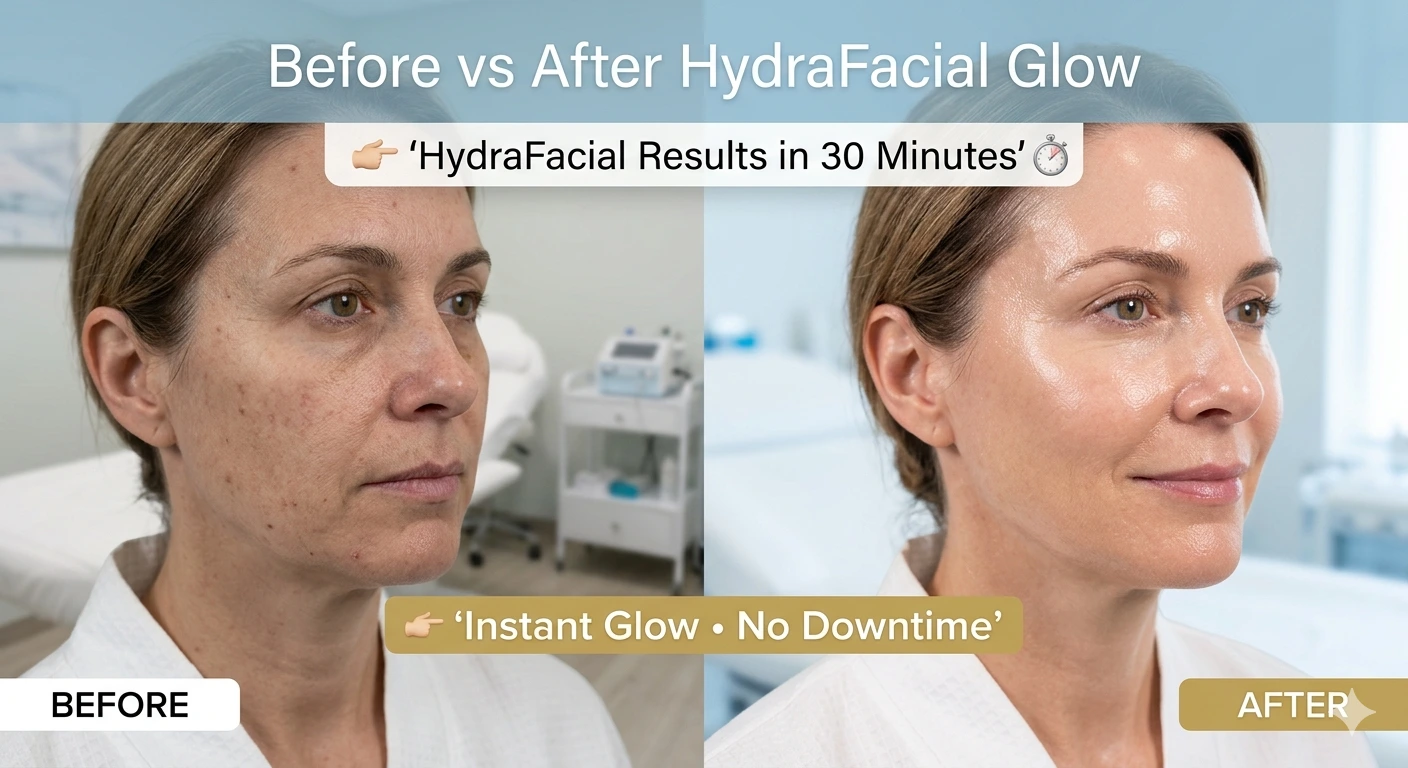
In some cases, the skin condition improves immediately after treatment, with moisture and a glow. However, in most cases, the result is expected to be seen after several procedures.
Book an Appointment
It’s easy and free!
Tags:facial rejuvenation