Acne is a widespread issue, particularly in individuals with oily skin. Excessive sebum is produced on oily skin, and it may block pores, resulting in pimples, blackheads, and whiteheads. The knowledge of effective acne treatments is significant in the management of skin breakouts on the face, including the hard-to-treat hormonal acne. This guide outlines five …

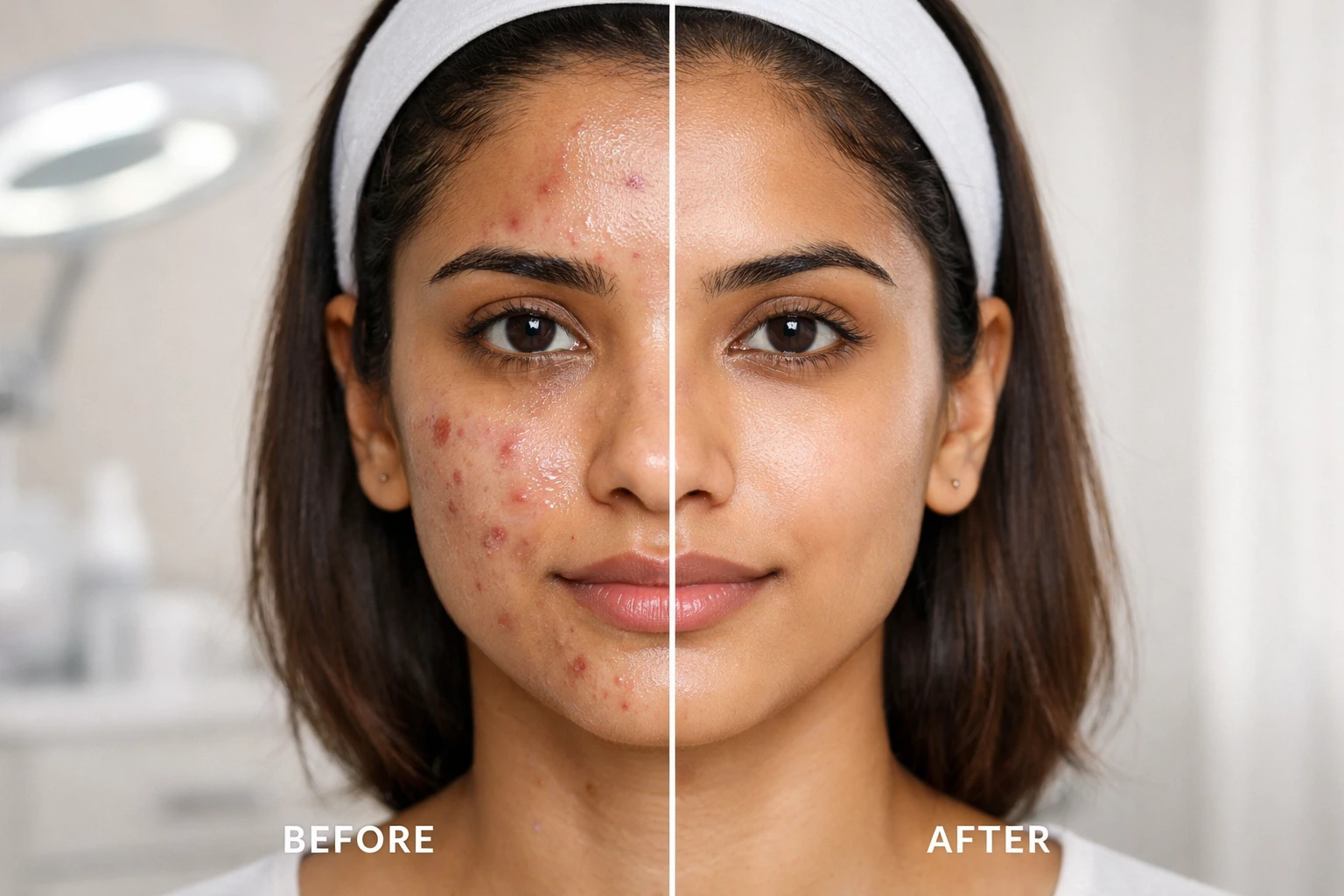
Acne is a widespread issue, particularly in individuals with oily skin. Excessive sebum is produced on oily skin, and it may block pores, resulting in pimples, blackheads, and whiteheads. The knowledge of effective acne treatments is significant in the management of skin breakouts on the face, including the hard-to-treat hormonal acne. This guide outlines five effective acne remedies for oily skin, the mechanisms behind their action, and the outcomes to expect, all in easy-to-understand language for Indian customers.
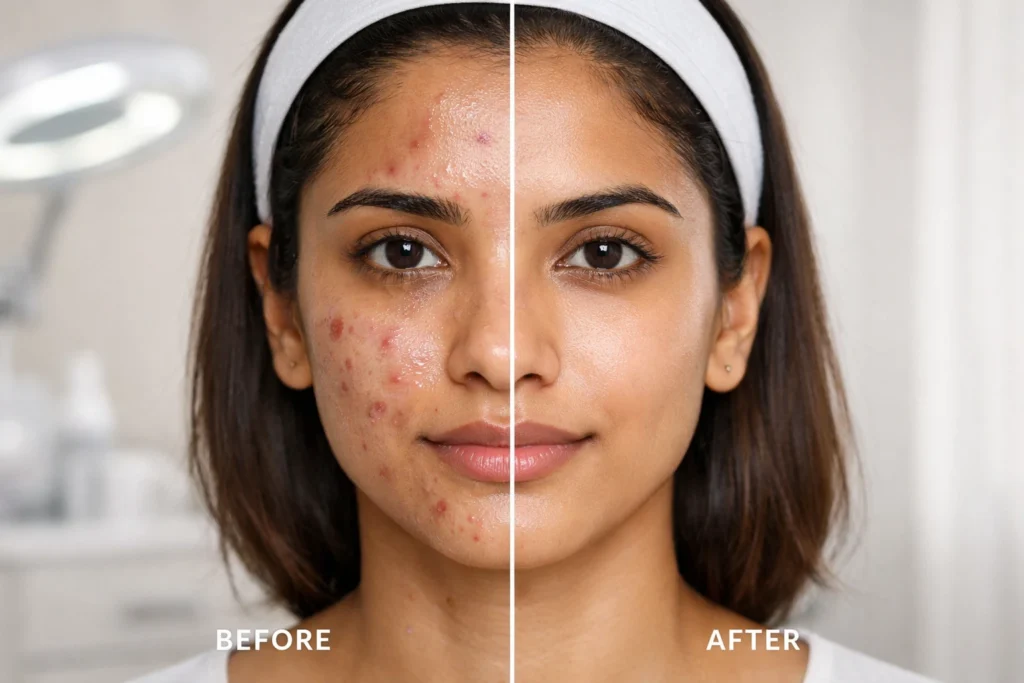
1. Topical Retinoids
Retinoids are creams or gels that help unplug clogged pores and reduce inflammation. Popular retinoids are tretinoin, adapalene, and tazarotene. They enhance the rate of skin renewal, which helps remove the pimples on the skin and prevents new pimples. Frequent application enhances the skin texture and removes dark spots that remain after pimples have healed. The dermatologists tend to recommend retinoids as the initial step in treating oily and acne-prone skin.
2. Benzoyl Peroxide
Benzoyl peroxide is an antiseptic therapy that eliminates acne-causing bacteria on the skin. It is also useful to exfoliate dead cells of the skin and surplus oil in the pores. Benzoyl peroxide comes in facial washes, gels, and creams. It can be used for mild-to-moderate acne and to decrease redness and swelling. It may, however, be drying and irritating, so it should be applied slowly.
3. Salicylic Acid
Salicylic acid is a mild peeling agent that exfoliates the dead cells on the skin and within the pores. This avoids congestion and eliminates blackheads and whiteheads. It is present mostly in face washes, toners and spot treatments. Salicylic acid is also an anti-inflammatory agent and thus can be applied to sensitive, oily skin that is prone to acne.
4. Hormonal Acne Treatment
The hormonal changes may result in more production of oil, which causes pimples. In the case of women having hormonal acne, physicians can prescribe oral contraceptives or anti-androgen drugs. These medicines normalise hormones and minimise oil production. The hormonal treatment is especially effective for acne that flares up during menstruation or exhibits cysts and deep pimples. These drugs should be taken with medical advice.
5. Prescription Antibiotics
Dermatologists use topical or oral antibiotics when bacterial infections aggravate acne. These drugs lower the bacteria that result in inflammation and infection. Oral antibiotics are administered for moderate and severe acne, usually together with other therapies. They must be applied sparingly so that they do not produce resistance.
Tips to Self-Treat Hormonal Acne
Simple self-care is the first step to hormonal acne management:
- Wash the face twice a day with oil-free products to eliminate excess oil and dirt.
- Apply pimple ointment to the affected areas as recommended by the medical professionals to address the acute outbreak.
- To avoid scarring, do not touch or pick pimples.
- Eat well and drink lots of water to help keep the skin healthy.
- De-stress by exercising, meditating or having a hobby.
- Sleep well to allow the body to balance the hormones.
How Can Dermatologists Help Treat Hormonal Acne?
- Dermatologists offer real answers for acne—way beyond what you’ll find in home remedies. They’ll prescribe topical treatments with retinoids or antibiotics to tackle bacteria and calm inflammation.
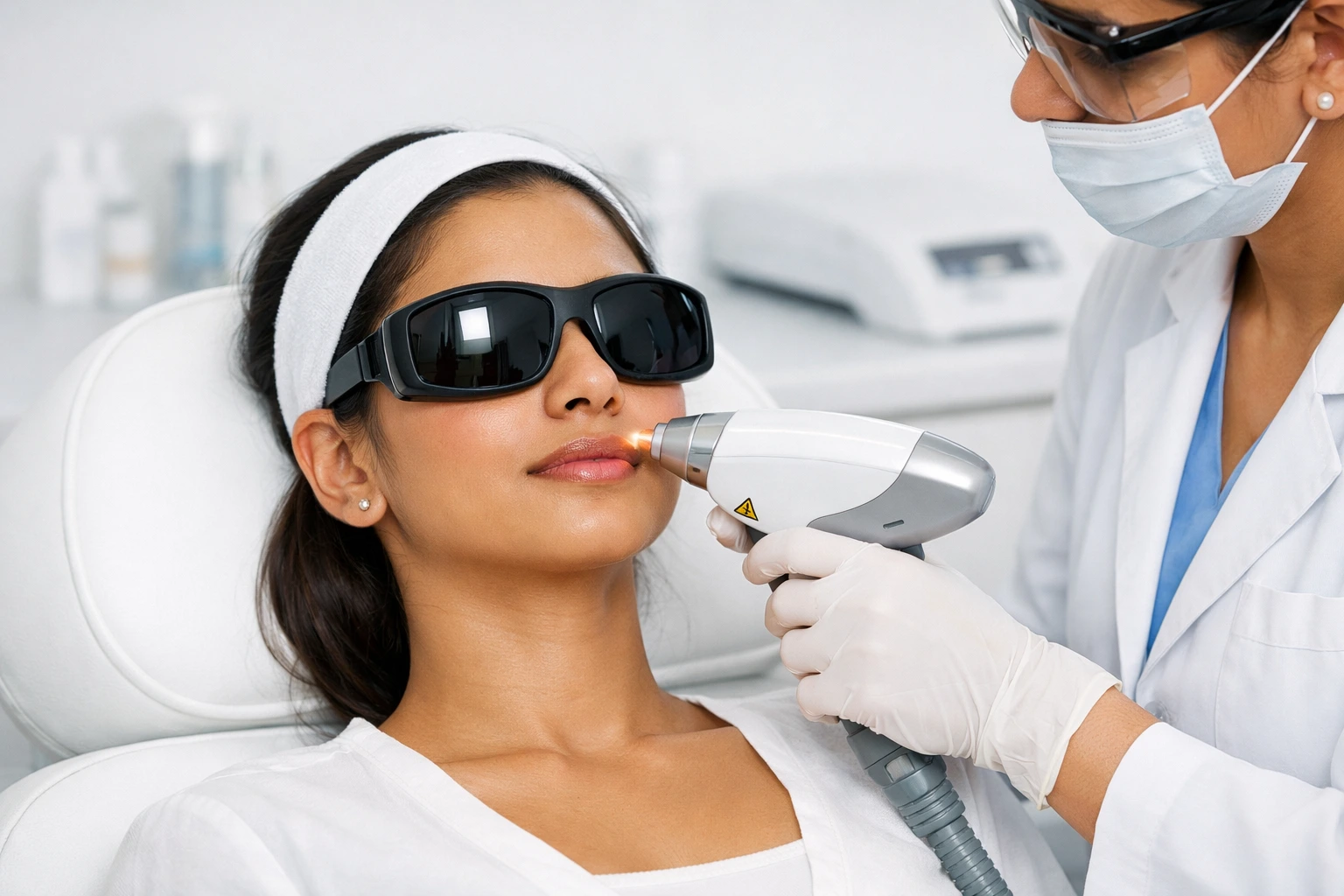
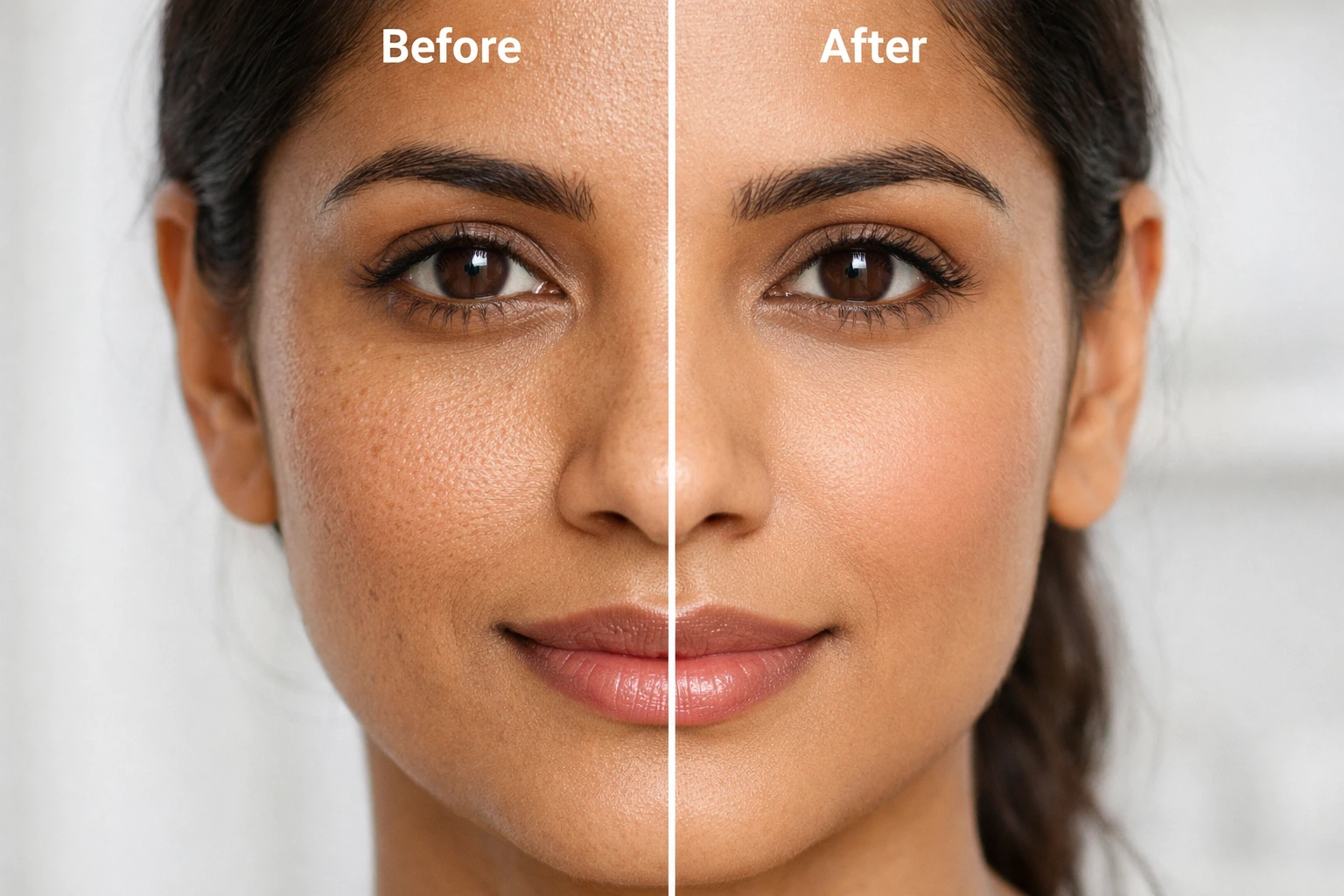
- If hormones are messing with your skin, things like hormonal pills or anti-androgens help get them back in line. For stubborn scars or breakouts that just won’t quit, they might suggest chemical peels or laser therapy.
- What’s great is that professionals tailor treatments to your specific skin type and the severity of your acne. If nothing else has worked, it’s worth asking about hormonal therapy. Sometimes that’s the missing piece.
Not Getting Relief from Acne? Hormonal Therapy May Help!
In other cases, hormonal disproportions need more severe intervention. When basic treatment does not help the acne, acne treatment can be administered with the help of prescribed pills, which help to control the hormones that affect the production of oil. Topical care and lifestyle modifications are more effective when used in combination with this therapy.
Also Read – Clear Pimples Forever: Natural Remedies & Dermatologist-Approved Acne Treatments
FAQs
1. Which factors can I control to cause hormonal acne?
Hormonal acne is susceptible to dietary habits, hygiene and stress management.
2. At what age should I treat my hormonal acne?
Early intervention will avoid scarring and manage the flare-ups.
3. When will hormonal acne be resolved?
The first improvement is observed after a few weeks; the outcomes might take several months.
4. How many years will I be on my hormonal acne treatment?
The time taken is not constant, and it usually takes several months to keep control.